
Transformative Lighting Tips
Lighting is more than just a practical necessity; it’s a powerful tool that can completely transform the ambiance of your home. Whether you’re aiming to create a cozy nook for reading or a vibrant space for entertaining guests, understanding the nuances of lighting design can help you achieve your desired atmosphere.
Begin by considering the function of each space in your home. For instance, kitchens and workspaces benefit from bright, task-oriented lighting that ensures clarity and precision. In contrast, living rooms and bedrooms thrive under softer, ambient lighting that encourages relaxation and warmth. Layering your lighting is essential; combine ambient, task, and accent lighting to add depth and dimension to your rooms.
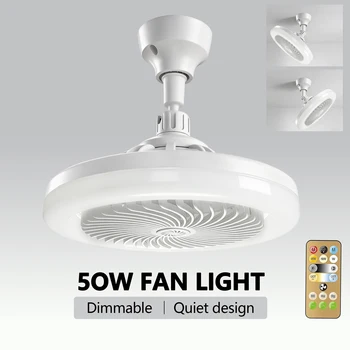
Another transformative tip is to embrace dimmable lights. They provide the flexibility to adjust the light intensity according to your mood and the time of day. This not only enhances the functionality of your lighting but also contributes to energy efficiency, aligning with eco-friendly goals.
Consider the impact of color temperature as well. Warm white lights (around 2700K) can create a welcoming and intimate environment, while cooler white lights (around 5000K) evoke a modern, clean feel. Incorporating smart lighting systems can further elevate your lighting strategy, allowing you to customize settings via smartphone or voice commands.
Finally, don’t overlook the power of natural light. Utilize mirrors and light-colored walls to reflect daylight and make rooms appear larger and more inviting. Remember, the right lighting can not only improve aesthetics but also enhance mood and productivity.
Understanding the Role of Lighting in Interior Design
Lighting is an often underestimated yet crucial element in the art of interior design. It is not merely about illuminating a space but rather about setting the mood, enhancing the aesthetic appeal, and even influencing the perceived size of a room. Understanding the role of lighting involves acknowledging its multifaceted impact on both the functionality and the ambiance of your home.
The primary function of lighting in interior design is to provide adequate illumination for various activities, whether it’s reading, cooking, or socializing. However, its influence extends beyond mere functionality. The type and placement of lighting fixtures can dramatically alter the mood of a space. Warm lighting, for example, creates a cozy and inviting atmosphere, perfect for living rooms and bedrooms, while cool lighting may be more suitable for workspaces as it enhances focus and productivity.
Types of Lighting
To fully harness the power of lighting, it’s essential to understand the different types of lighting used in interior design:
- Ambient Lighting: This is the main source of light for a room. It provides overall illumination and is typically achieved through ceiling fixtures or recessed lights.
- Task Lighting: As the name suggests, this type of lighting focuses on specific tasks. Desk lamps, under-cabinet lights in the kitchen, and reading lights fall under this category.
- Accent Lighting: Used to highlight architectural features or artwork, accent lighting adds drama and focus to a space. Spotlights and wall-mounted fixtures are common examples.
By strategically combining these types, one can create a layered lighting effect that not only illuminates but also enhances the design aesthetic of a home. Understanding and implementing these lighting strategies can transform your living areas, making them not only functional but also visually pleasing. Lighting, when thoughtfully chosen and placed, can indeed be transformative. It elevates the design, enhances mood, and ensures spaces are functionally optimized.
Top Lighting Ideas for Different Living Spaces
Lighting plays a pivotal role in transforming the ambiance and functionality of every corner of your home. Each living space has its unique requirements and challenges, and understanding these nuances can help you make informed choices. Here are some top lighting ideas that cater to different areas of your home, ensuring they are both stylish and practical.
Living Room: Layered Lighting
The living room is often the heart of the home, where family gatherings and cozy nights happen. To create a warm and inviting atmosphere, consider using a layered lighting approach. Start with ambient lighting such as ceiling-mounted fixtures or chandeliers for general illumination. Add task lighting with floor or table lamps to brighten reading nooks, and accent lighting like wall sconces or track lights to highlight artwork or architectural features.
Kitchen: Functional and Aesthetic
The kitchen is a hub of activity, requiring both functional and aesthetic lighting. Install bright, overhead lights to ensure the workspace is well-lit, making food preparation safe and efficient. Under-cabinet lighting can provide additional illumination for countertops, while pendant lights over an island or dining area can add a touch of style and warmth.
Bedroom: Soft and Relaxing
Creating a calm and serene environment in the bedroom is essential for rest. Opt for soft, diffused lighting that sets a tranquil mood. Bedside lamps with adjustable brightness settings allow for flexibility, aiding in reading or winding down. Consider incorporating a dimmer switch to control the overall ambiance easily.
Bathroom: Bright and Flattering
A well-lit bathroom is crucial for grooming and personal care. Use bright, white lights around mirrors to eliminate shadows and ensure a flattering reflection. Recessed lighting on the ceiling can provide overall illumination, while wall-mounted fixtures can add elegance and functionality.
Lighting is more than just functional; it’s a powerful design element that can enhance your living spaces. By considering the specific needs and aesthetics of each room, you can create a harmonious and welcoming atmosphere throughout your home.
Choosing the Right Light Fixtures for Your Home
When it comes to illuminating your home, the selection of light fixtures plays a pivotal role in not only enhancing the aesthetic appeal but also in creating the right ambiance. Selecting the right fixtures requires a balance between functionality and style, ensuring that each space in your home is both practical and inviting.
Understanding the Functionality
Before diving into styles and designs, it’s crucial to understand the functional needs of each room. For instance, the kitchen and workspace areas necessitate bright, focused lighting to facilitate tasks, while living rooms and bedrooms benefit from softer, ambient lighting that promotes relaxation. Consider using a mix of overhead fixtures and task lighting to achieve versatility.
Matching Style with Purpose
The style of your lighting should complement the overall decor of your home. Whether you gravitate towards sleek, modern designs or prefer classic, vintage styles, ensure that your fixtures harmonize with the existing elements in each room. For example, a contemporary chandelier can serve as a striking focal point in a minimalist living room, while rustic sconces can add a warm touch to a cozy reading nook.
Energy Efficiency and Sustainability
Incorporating energy-efficient options such as LED bulbs not only reduces your environmental footprint but also leads to significant savings on energy bills. Many modern fixtures are designed with sustainability in mind, allowing you to enjoy both style and eco-friendliness. Ultimately, the right lighting fixtures can transform your home, creating spaces that are as functional as they are beautiful.
Effect of Natural Light on Your Interiors
Natural light is an essential element in transforming your home’s interior, providing not only aesthetic appeal but also numerous benefits for your overall well-being. The influence of sunlight on your living spaces extends beyond mere illumination. It plays a significant role in enhancing the ambiance, mood, and functionality of your home. Let’s explore the transformative power of natural light and how you can leverage it to create inviting and vibrant interiors.
Enhancing Aesthetics
Natural light accentuates colors, textures, and architectural details, bringing out the true beauty of your interior design. It can make a room appear more spacious and open, creating an illusion of larger, airier spaces. This is particularly beneficial in smaller homes or apartments where maximizing perceived space is crucial. By strategically placing mirrors, you can amplify natural light, reflecting it to different parts of the room and enhancing the overall brightness.
Boosting Mood and Productivity
Exposure to natural light has been linked to improved mood and increased productivity. Sunlight triggers the release of serotonin, a hormone that boosts mood and helps a person feel calm and focused. By allowing more natural light into your home, you create a more positive and productive environment, ideal for working from home or simply enjoying your daily activities.
Reducing Energy Costs
Leveraging natural light can also lead to reduced energy consumption, as it decreases the need for artificial lighting during daylight hours. This not only supports environmental sustainability but also lowers your monthly utility bills. Consider installing skylights or larger windows to maximize the influx of natural light, further contributing to an eco-friendly home.
By understanding and utilizing the power of natural light, you can dramatically enhance the quality of your home environment. Whether it’s to boost aesthetics, mood, or energy efficiency, natural light remains a versatile and highly effective tool for transforming interiors.






0 Comments